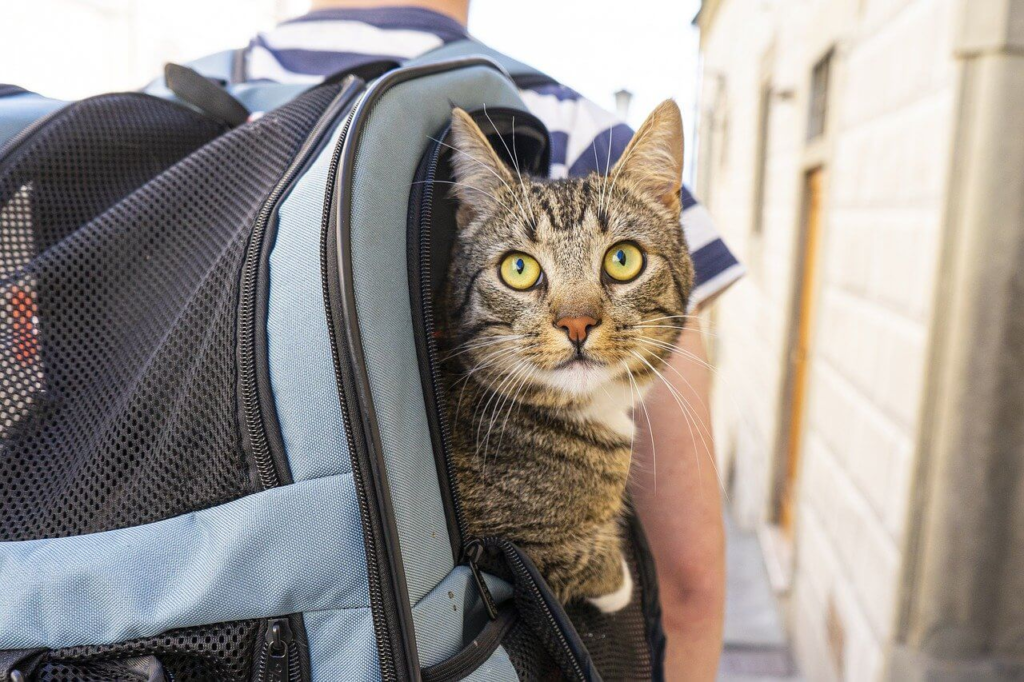
Whether you’re flying cross-country or moving across town, traveling with your cat can be a daunting prospect. With the right preparation, though, traveling with a feline companion can be a great experience. Some cats prefer it to staying with a sitter back home.
But a successful journey requires thought and planning. That’s why we’ve created this guide to help you get ready and make the trip work for both you and your cat.
Key Takeaways
Cats can make great travel companions, but successful travel requires the right supplies and preparation.
A safe, high-quality carrier and secure harness are critical parts of keeping your cat safe during travel.
You can support an anxious cat using synthetic pheromones, calming treats, or a calming harness. Managing your own stress levels can also help.
1. Pick a Great Carrier
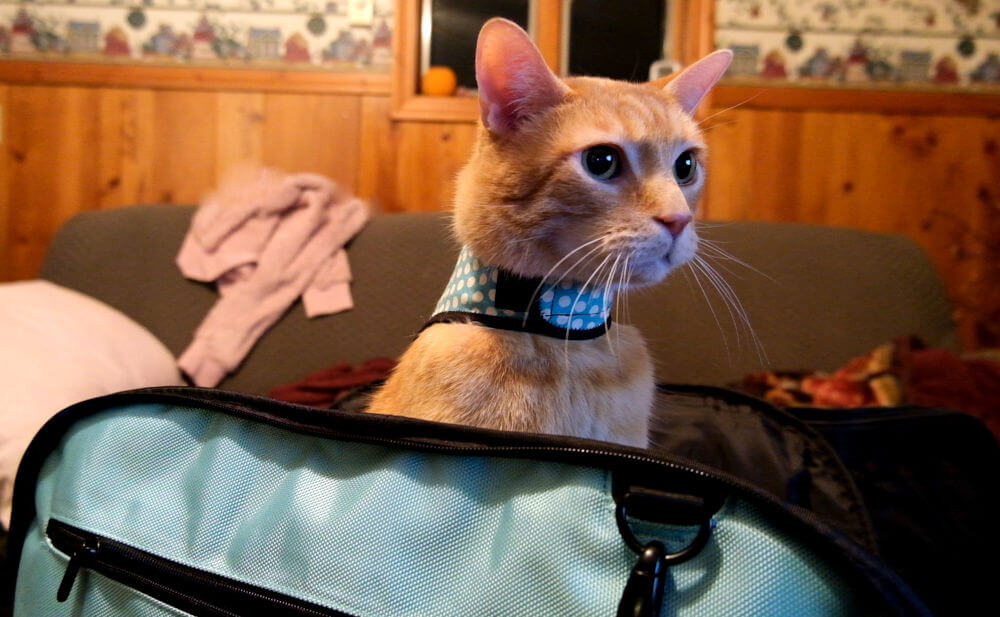
Choosing a great carrier is your first step towards a safe, comfortable journey with your cat. Mallory Crusta / Cats.com
A great carrier is an essential part of safe, successful travel with your cat. Your cat’s carrier should be well-constructed, secure, and appropriate for your mode of travel. It needs to be correctly sized so that your cat can sit, lie down and change positions comfortably.
After testing numerous carriers, we recommend Sleepypod’s products as the best on the market. This company shows a dedication to safety that goes beyond that of any other pet travel product manufacturer. Through the Sleepypod Safety Test Program, their carriers are crash-tested and certified to extend your cat’s safety in an accident. The testing meets the same standards applied to child safety restraints.
We recommend the Sleepypod Mobile Pet Bed as the best carrier for car travel and the Sleepypod Air as the best for traveling by plane. You can learn more about their carrier lineup here.
Once you have an excellent carrier, initiate a low-stress introduction, leaving it out as a bed before making any connections with the car, the vet, or vacation. Use treats to encourage your cat to explore the carrier.
2. Start Preparing Early
Successful travel with your cat starts long before you leave the driveway. While most cats are most comfortable within familiar territory, proper training from kittenhood will help them feel confident on the go.
If you anticipate travel in your cat’s future, start training them early. Take your kitten out for walks on a harness and leash, introduce them to new people, and carefully expose them to other pets. Remember that all socialization must be carefully planned and supervised to keep your kitten safe.
In the weeks leading up to the trip, make sure your cat is familiar with all of the supplies that will come out on your departure day. They should become acquainted with their carrier, harness and leash, travel litter box, and any other special accessories.
Consider getting them comfortable in the car as well—practice encouraging them into the carrier, shutting it securely, and then taking them out to the car briefly. Give plenty of praise and reward for these practice sessions to ensure your cat sees travel as a positive experience.
3. Flying or Driving? Plan Accordingly
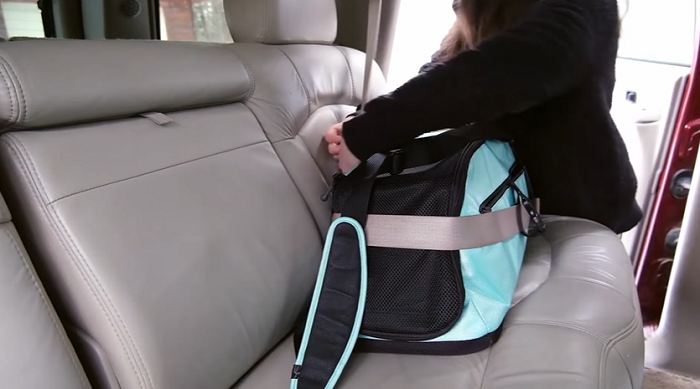
Traveling by car requires different preparation than taking a flight. Keep your travel plans in mind when preparing your cat. Mallory Crusta / Cats.com
Traveling With Your Cat by Car
Traveling by car gives you a bit more control over your schedule and your cat’s experience, allowing you to make as many stops as needed, limit your passenger list, and modify your itinerary to help your cat feel comfortable. But it comes with a few special considerations.
Use a crash-tested carrier. Strap it to the seat according to the manufacturer’s instructions, making sure that it is fully intact and ready to keep your cat safe in an accident. Once you hit the road, ensure that you have good ventilation, but watch doors and windows to prevent escape. Ensure your cat is comfortable: the base of the carrier should be level rather than tilted, and secure enough that it doesn’t move around when driving, which can exacerbate motion sickness.
Before you leave, consider turning on the air conditioner or heater to make sure that the vehicle is at a comfortable temperature for your cat. If your cat tends to get motion sickness, let your cat fast for 8-12 hours before you leave, and consider using medication as prescribed by your vet.
For more tips, read our vet-written guide to taking a road trip with your cat.
Traveling With Your Cat by Plane
Whether domestic or international, plane travel with a cat comes with some additional considerations.
Make sure that your carrier qualifies for under-seat in-cabin storage as a carry-on, checking with your individual airline to avoid any last-minute stress. We don’t recommend traveling with your cat in the cargo hold unless absolutely necessary. Again, check with your airline to confirm that in-cabin transport is an option. You’ll also want to read up on any paperwork the airline requires before a pet comes on board.
Airport security can be just as—or more—nerve-racking for cats as it is for us, so consider TSA PreCheck® to minimize time in line. The security agents will ask that you remove your cat from their carrier right before they go through the screening process, so make sure they have a harness and are ready to safely leave the carrier. Carry your cat through the X-ray machine, then return your cat to their carrier as soon as you can. Click here to read the TSA’s tips for a smooth boarding and flight experience with your pet.
Once you’re on the plane, aim for a quiet seat next to a window, and settle in for the flight. A good carrier will have a top entry door or window that allows you to pet and interact with your cat throughout your flight.
4. Create a Kitty Packing List
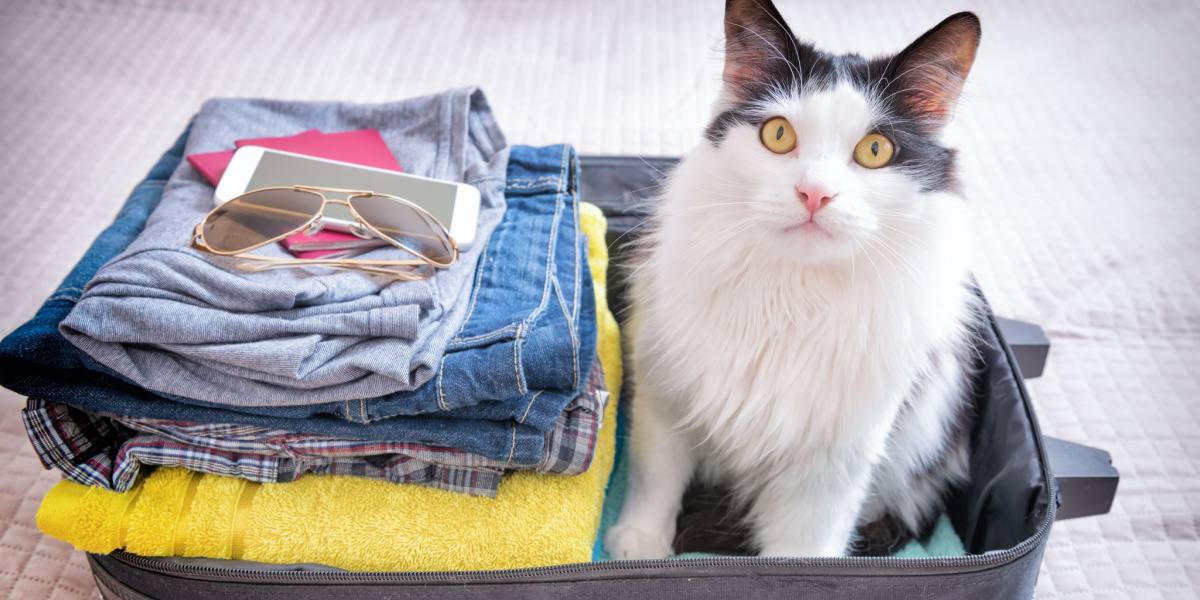
Make sure that your cat starts the trip prepared with all of their essential items. Monika Wisniewska / Shutterstock.com
In addition to your carrier, harness, and leash for safety, a few additional items should come along with you and your cat.
Make sure your cat has enough food and water to last them through the trip, and pack familiar bowls so they can eat and drink. We recommend having some extra supplies accessible, in case of travel delay. Bring a disposable litter box with your cat’s usual litter. Since accidents can happen during long travel days, line the litter box with a pee pad for safety.
